
Meal Planning for Beginners: 6 Essential Steps for Healthy Eating
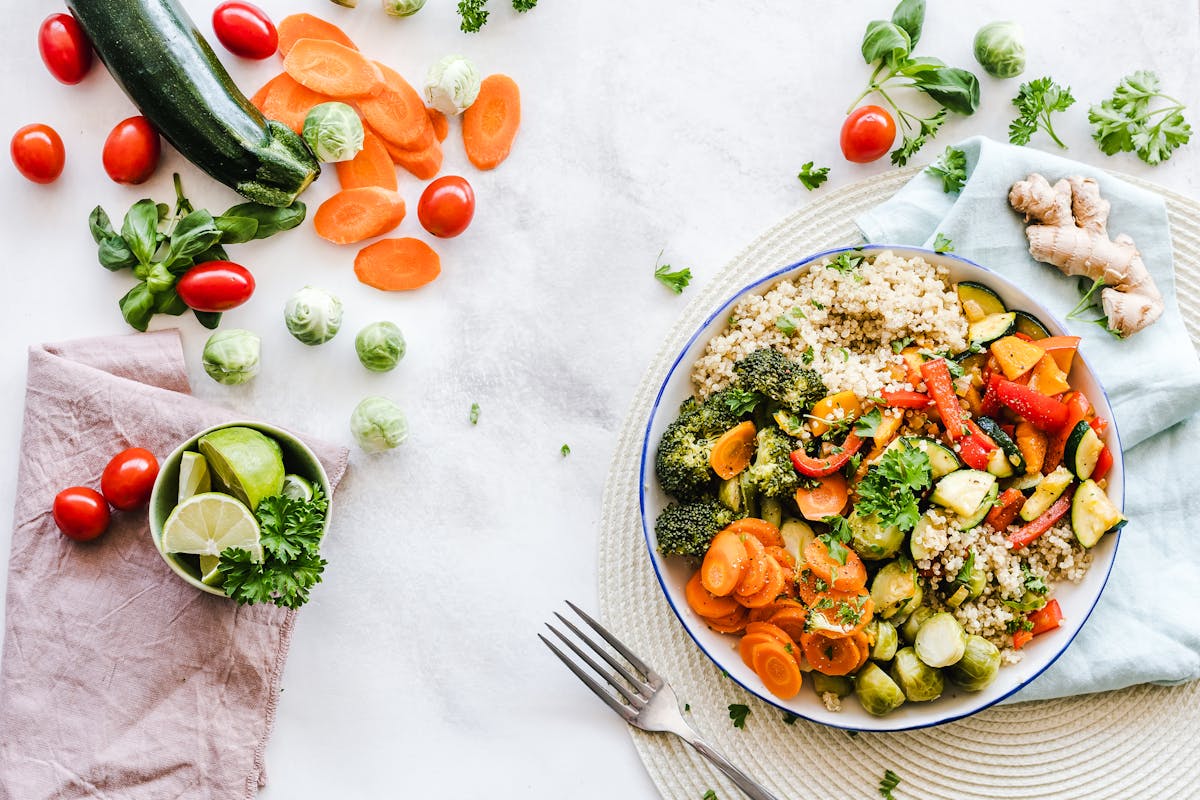
The allure of ordering takeout or grabbing a quick snack on the go is strong, especially after a long, exhausting day. However, relying on convenience food often leads to poor nutrition, unexpected weight gain, and unnecessary financial stress. The solution to this modern dilemma is meal planning for beginners. Meal planning is the simple process of deciding what you are going to eat in advance, usually for the upcoming week, and preparing accordingly. Embracing meal planning for beginners is one of the most effective ways to take control of your health and your budget.
I used to wander the grocery store aimlessly, buying random ingredients that would eventually rot in the fridge while I ordered pizza. When I finally mastered meal planning for beginners, my life transformed. I saved money, ate better, and felt a profound sense of control over my diet. Let us explore how you can start.
Why Meal Planning for Beginners Matters
The primary benefit of meal planning for beginners is that it removes the daily decision fatigue of "what's for dinner." When you are hungry and tired, you are far more likely to make impulsive, unhealthy choices. By planning ahead, you set yourself up for success. Furthermore, meal planning for beginners reduces food waste, which is both environmentally and economically beneficial. When you buy only what you need for specific recipes, nothing goes to waste.
From a nutritional standpoint, meal planning for beginners allows you to ensure you are getting a balanced diet. You can intentionally incorporate necessary macronutrients and micronutrients into your weekly menu. This intentionality is a crucial factor in achieving Weight Loss Tips and maintaining a healthy weight. The more control you have over your ingredients, the more control you have over your health.
Start Simple with Your Meal Planning for Beginners
When diving into meal planning for beginners, the temptation is to plan elaborate, gourmet meals for every single day. This is a recipe for burnout. Instead, start simple. Begin by planning just one or two meals a day, or focus on just the workweek. If you normally order takeout three times a week, aim to cook at home just two extra times. The goal of meal planning for beginners is consistency, not perfection.
Choose recipes that you are familiar with and know you enjoy. Trying too many new recipes in one week can be overwhelming. Use the concept of Mindful Eating Habits to guide your choices. Think about how the food will make you feel, not just how it tastes. This foundational approach ensures that meal planning for beginners becomes a sustainable habit rather than a temporary fad.
Building Your Weekly Meal Plan
A critical component of meal planning for beginners is understanding the structure of a balanced plate. Aim to include a source of lean protein, complex carbohydrates, and a generous portion of vegetables in each meal. Understanding the role of Healthy Fats vs Unhealthy Fats is also essential for satiety and hormone production.
As you build your menu, consider the concept of "planned overs." This is a key strategy in meal planning for beginners. Instead of cooking a new meal every night, cook a larger portion and eat the leftovers for lunch the next day. This saves immense amounts of time and reduces the burden of daily cooking. Structuring your week around a few core staple meals makes the entire process much more manageable.
The Grocery Store and Meal Planning for Beginners
Your meal plan is only as good as the grocery list that accompanies it. Effective meal planning for beginners requires a disciplined grocery shopping strategy. With your list in hand, go to the store and stick to it. Avoid shopping while hungry, as this inevitably leads to impulse buys of junk food. Focus on the perimeter of the store, where the fresh produce, meats, and dairy are located.
Reading labels is another vital skill in meal planning for beginners. Look for products with minimal added sugars, sodium, and artificial preservatives. Buying whole, unprocessed ingredients is always the best approach. As you get more comfortable with meal planning for beginners, you will develop a deeper understanding of nutrition and how different foods impact your body.
Batch Cooking and Meal Planning for Beginners
Batch cooking, or meal prep, is the execution phase of meal planning for beginners. It involves dedicating a few hours on the weekend to chop vegetables, cook grains, and prepare proteins in advance. This ensures that during the busy week, preparing a healthy meal is as simple as assembling pre-cooked components.
Having pre-prepared healthy options readily available in the fridge eliminates the friction of choosing healthy food. This strategy is particularly effective for busy professionals and parents. By mastering meal planning for beginners, you can reclaim your evenings and enjoy the peace of mind that comes with knowing exactly what you will be eating. For more on structuring your daily routine, refer to our guide on Morning Routine for Wellness, as meal prep is often best done in the morning.
Flexibility in Meal Planning for Beginners
While meal planning for beginners is about structure, it is important to remain flexible. Life happens; unforeseen events will disrupt your carefully laid plans. The key is not to view these disruptions as failures, but as opportunities to adapt. Have a few "backup" meals in your freezer or pantry—healthy options that are quick to prepare on a chaotic day.
Understand that meal planning for beginners is a skill that improves with practice. Over time, you will learn which meals your family loves, which recipes freeze well, and how to shop more efficiently. The journey of meal planning for beginners is one of continuous improvement and self-discovery, leading to a healthier, more organized life.
Conclusion
Taking control of your diet does not require a chef's degree or endless free time. It requires a bit of forethought and a commitment to your health. Mastering meal planning for beginners is a powerful investment in your well-being, saving you time, money, and stress while significantly improving the quality of your diet. Start small, be consistent, and enjoy the profound benefits of a well-planned, nourishing lifestyle.